Beyond disaster relief, these Texas mutual aid networks are meeting people’s long-term needs
In the midst of the cascading catastrophes caused by the snowstorm that hit the South in mid-February, people across the country have been turning to mutual aid networks to offer support to hard-hit communities in Texas, Mississippi, Oklahoma, and Tennessee. Over 4 million Texans lost power and more

Tamar Sarai
Real journalists wrote and edited this (not AI). Independent, community-driven journalism survives because you back it. Donate to sustain Prism’s mission and the humans behind it.
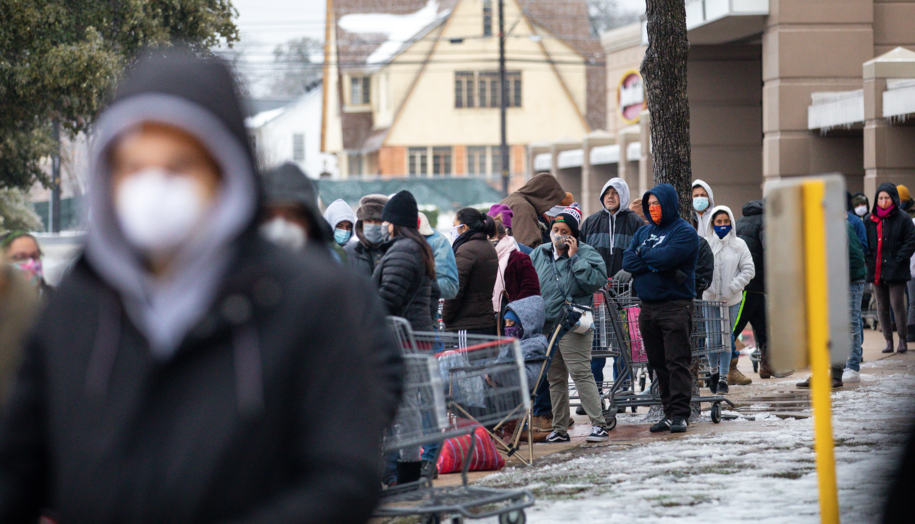
In the midst of the cascading catastrophes caused by the snowstorm that hit the South in mid-February, people across the country have been turning to mutual aid networks to offer support to hard-hit communities in Texas, Mississippi, Oklahoma, and Tennessee. Over 4 million Texans lost power and more than 70 deaths have been attributed to the storm, at least a dozen of which include people who perished in their own homes. In the wake of the disaster, organizing collectives like Say Her Name Houston and Austin Street Forum have been providing shelter and transportation by purchasing hotel rooms for those facing housing insecurity, buying meals and water for those with compromised water systems, and doing the real work of responding to communities’ most urgent needs.
While Texans’ needs in this moment are acute, climate disasters like this one are not sudden events—they are the product of human decisions, years of governmental abandonment, and systemic inequities that disproportionately end up impacting the lives of Black and brown communities and people in poverty. Too often, however, the wreckage from massive storms quickly recedes from attention, along with the underlying issues that exacerbated the disaster in the first place. A number of organizations in Texas have not only been responding to the immediate needs created by the storm, but also working to provide services to alleviate government neglect once the crisis has passed. Here are a few groups who are accepting immediate support, and who will still be working to address preexisting inequities long after the snow clears:
Housing insecurity
According to most recent data, there were 27,229 people experiencing houselessness in Texas in 2020—an increase of 5% from the previous year. Black communities were particularly impacted as Black people made up 37% of the housing insecure despite comprising just 13% of the total population. Freezing temperatures have posed incredible dangers to those living on the streets, and ice has brought new impediments to street search teams looking for individuals and families to offer shelter. These groups have been doing the work to combat housing insecurity, and are ramping up their current efforts now:
- Houseless Organizing Coalition (HOC) – A Houston-based coalition, HOC works to build power within and among Houston’s houseless community. They have been amping up efforts to distribute food and resources this past week and are pivoting to replacing lost tents and belongings, increasing stock for future emergencies, and providing emergency housing and phones to those in their community.
- The Beacon: Beacon is a Houston-based nonprofit that serves those facing houselessness through providing health care, transportation, access to a mailbox, civil legal aid, counseling and mentoring, and access to housing.
- Austin Resource Center for the Homeless (ARCH) serves over 400+ individuals living in Austin annually by operating a shelter and providing both rapid rehousing programs as well as more permanent supportive housing.
- Caritas of Austin: Caritas provides housing, food, job placement, veteran services, and life skills courses personalized to individuals and families experiencing houselessness in Austin.
- Homes Not Handcuffs: This local Austin-based group has been sharing action items for those outside of the community in the wake of the storm but generally focuses on uplifting a “housing-first” approach to combating houselessness and opposing new restrictions and laws that aim to criminalize houselessness.
Food security and hunger relief
More than 4 million Texans, including one in five children, experience food insecurity, and Black and Latinx communities are particularly vulnerable to hunger.
Groups throughout the state are addressing the hunger crises in a variety of ways from large-scale meal rescue and delivery to the coordination of local community fridges.
-
Community Fridges: Community fridges have emerged in cities and towns across the country as a way to immediately share and receive food and produce. Existing fridges have been scaling up their efforts in the wake of the snowstorm. Many are accepting monetary and food donations as well as volunteers:
-
Feeding Texas: As the largest hunger-relief organization in the state, Feeding Texas works with a network of 21 food banks and reaches over 4 million Texas annually with food and resources.
-
Feed the People Dallas: a Black/Latinx female-led collective, Feed the People Dallas runs mutual aid programs throughout the city, including their Free Grocery Program, a program which brings healthy food and basic household items to families living in historically underserved areas.
-
Meals on Wheels Central Texas: Roughly 11% of Texas families with seniors experience hunger. Meals on Wheels Central Texas aims to serve this demographic, delivering prepared meals primarily to homebound seniors and adults with disabilities.
Prison and jail conditions, and the fight for abolition
After COVID-19 had already taken the lives of more than 230 people living in Texas prisons and jails, the snowstorm further ravaged conditions inside. Incarcerated Texans have been trapped without power, heat, food, running water, or access to online systems that would allow them to pay for commissary items.
- Texas Jail Project: This organization amplifies the stories of people inside, and crafts solutions to the neglect and abuses of incarceration based on their experiences. In addition to public advocacy, the group also provides information to families and friends of loved ones who are inside. Since the early days of the snowstorm, the Texas Jail Project has been collecting funds to help provide direct aid to people in eight of Texas’ jails. This past weekend, they expanded to providing support for those who have been recently released.
- Mutual Aid Houston: In addition to providing COVID-19 support broadly and distributing urgent resources like food and water, this BIPOC-led abolitionist collective also engages in ongoing support for those incarcerated in Harris County Jail.
Tamar Sarai