What’s at stake: Abortion, same-sex marriage recognition, and more in gender justice
This article is part of Prism’s Election 2020: What’s at Stake coverage. Earlier this month, Prism met with its gender justice “sounding board,” which operates as a sort of informal advisory board of writers, organizers, researchers, and activists whose work focuses on gender, sexuality, and reproductive justice—especially

Tina Vásquez
Real journalists wrote and edited this (not AI). Independent, community-driven journalism survives because you back it. Donate to sustain Prism’s mission and the humans behind it.
This article is part of Prism’s Election 2020: What’s at Stake coverage.
Earlier this month, Prism met with its gender justice “sounding board,” which operates as a sort of informal advisory board of writers, organizers, researchers, and activists whose work focuses on gender, sexuality, and reproductive justice—especially as these subjects relate to the detention and prison systems. We wanted to know: How should we be thinking about gender justice, especially in the middle of an election?
Nancy Cárdenas Peña, the Texas director for policy and advocacy at National Latina Institute for Reproductive Health, suggested Prism view its coverage through the definition created by the Third Wave Fund, which defines gender justice as a movement to “end patriarchy, transphobia, and homophobia and to create a world free from misogyny.” According to the organization, this definition must come with the understanding that “gender oppression is tied to classism, racism, ageism, and ableism,” which means gender justice can “only be achieved when all forms of oppression cease to exist.”
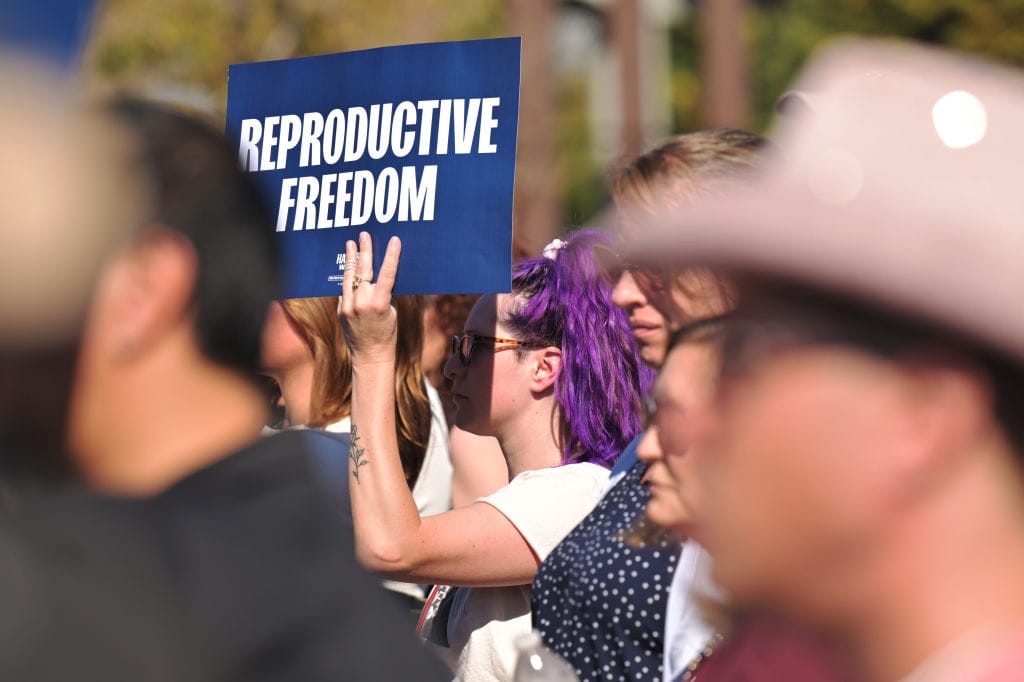
When viewed through this lens, it’s clear that so many of the Trump administration’s discriminatory policy changes are indeed attacks on gender justice, and it’s also clear that gender justice is on the ballot in multiple states during the 2020 election.
Here’s a breakdown of some of the measures Americans are voting on:
- California Proposition 16: If passed, this measure would overturn 1996’s Proposition 209 that banned the use of affirmative action involving race-based or sex-based preferences in California. Under current law, the state is prohibited from considering race, sex, color, ethnicity or national origin in the operation of public employment, public education, or public contracting.
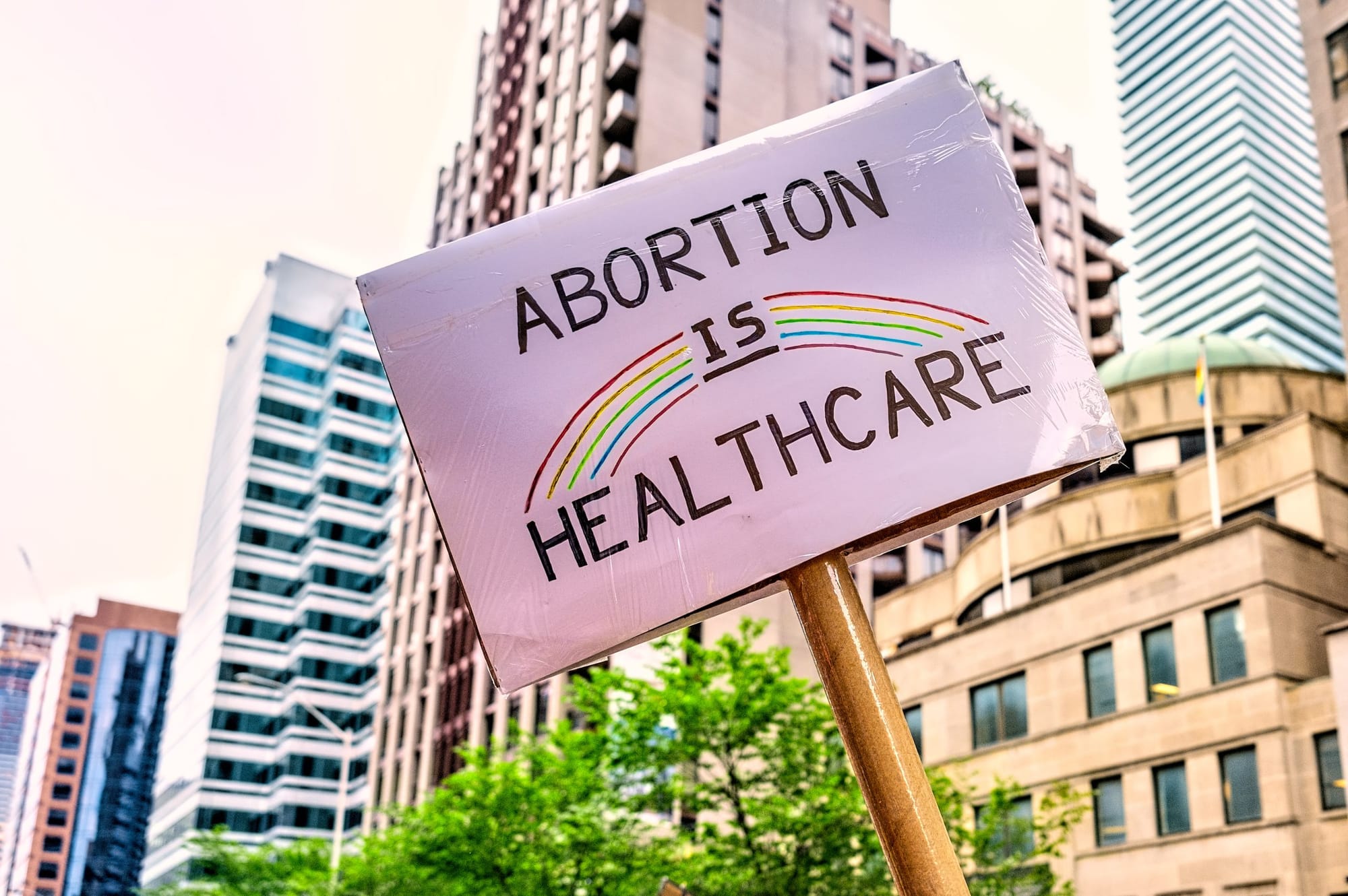
- Colorado Proposition 115: If passed, this measure would prohibit abortion in Colorado after a fetus reaches 22 weeks gestational age. The measure establishes criminal penalties for doctors who provide abortion care after 22 weeks, even in instances of rape and when the person’s health is at risk or they have received a lethal fetal diagnosis.
- Kentucky Constitutional Amendment 1: Otherwise known as the “Marsy’s Law,” this proposed constitutional amendment—part of a billionaire’s larger project to change state constitutions across the country—sounds good on paper because it purports to grant crime victims certain rights, but the American Civil Liberties Union and other organizations warn it “undermines due process and upends the presumption of innocence.”
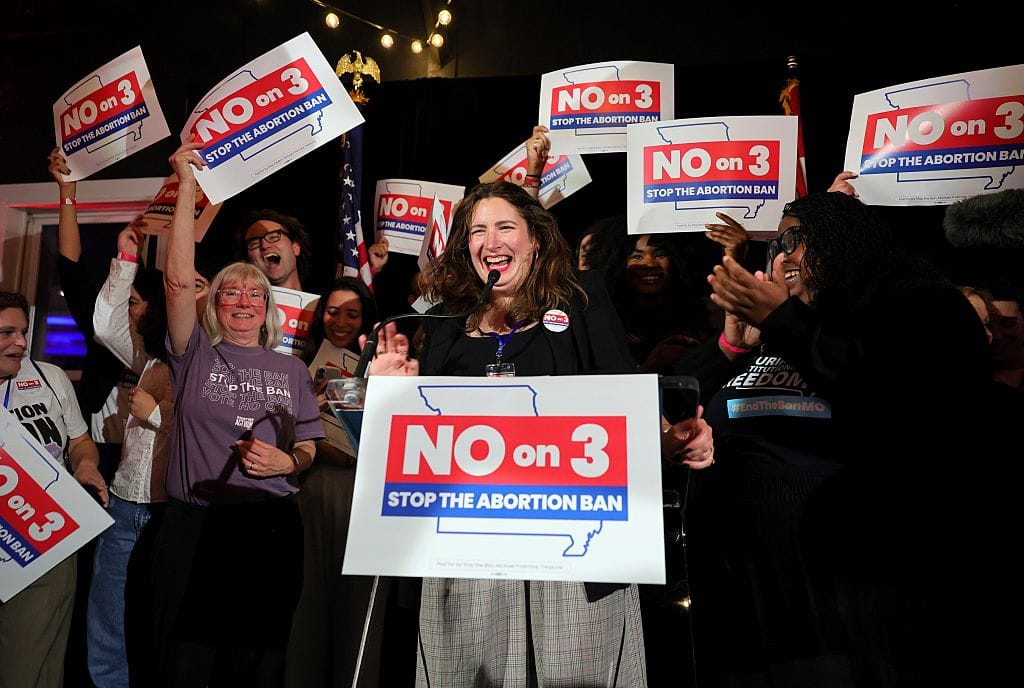
- Louisiana Amendment 1: If passed, this measure would add the following sentence to the Louisiana Constitution: “To protect human life, nothing in this constitution shall be construed to secure or protect a right to abortion or require the funding of abortion.” Tennessee, Alabama, and West Virginia have passed similar constitutional amendments, which means that if the Supreme Court overturned Roe v. Wade, abortion would effectively be outlawed in these states.
- Nevada Question 2: If passed, this measure would overturn a 2002 amendment only recognizing marriage between men and women in the state. In its place, this constitutional amendment would recognize marriage as between couples regardless of gender.
- Oklahoma State Question 805: If passed, this measure would prohibit the state from using past non-violent felony convictions to impose a harsher sentence on people convicted of non-violent felonies. Historically, Oklahoma has locked up women at the highest rate of any state and this measure would help end decades-long prison sentences for nonviolent crimes.
- Utah Constitutional Amendment A: If passed, this measure would remove gendered language in the Utah Constitution and replace it with gender-neutral language. As an example, constitutional language would use “all persons” rather than “all men.”
- Washington Referendum 90: If passed, this measure will require public schools to provide comprehensive sexual health education for all students, though its inclusion on the ballot is tricky. Earlier this year, Senate Bill 5395—known as Washington’s sex-education bill—passed the state Legislature and was signed by Washington’s governor, though it was never enacted. During the pandemic, opponents of the law gathered signatures to put a referendum on the November ballot with the goal of overturning the law requiring public schools to teach comprehensive sexual health education. This is how Referendum 90 was born. If voters reject the referendum, SB 5395 will not be made into law.
Also on the ballot of course is Sen. Kamala Harris, the first woman of color to be nominated for national office by a major political party. While Harris is progressive on issues like abortion access, her record in California where she was a prosecutor, district attorney, and state attorney general is “controversial” and “filled with contradictions,” Vox reported. As attorney general, Harris largely failed to intervene in cases involving killings by the police.
Criminal justice—an issue that profoundly affects women of color and LGBTQ+ people—has been the bedrock of both Harris and Biden’s career. Biden “helped lay the groundwork for the mass incarceration that has devastated America’s Black communities,” The New York Times reported. As we head into November and await the result of perhaps one of the most contentious presidential elections in U.S. history, a potential Biden/Harris presidency means organizers, activists, journalists, attorneys, and advocates will have much work to do in holding the administration accountable.
Prism is covering what’s at stake in the 2020 elections on the issues that matter most to our communities, including electoral justice, immigration, criminal justice, environmental justice, workers’ rights, and racial justice. Dive into the rest of our coverage here.
Tina Vásquez