What’s at stake: Minimum wage, paid family leave, and more in workers’ rights
This article is part of Prism’s Election 2020: What’s at Stake coverage. This year, workers in the United States have faced increasingly dire and dangerous circumstances as the COVID-19 pandemic collided with the country’s long-standing failures to ensure employers provide fair pay and protections. The

Ashton Lattimore
Real journalists wrote and edited this (not AI). Independent, community-driven journalism survives because you back it. Donate to sustain Prism’s mission and the humans behind it.
This article is part of Prism’s Election 2020: What’s at Stake coverage.
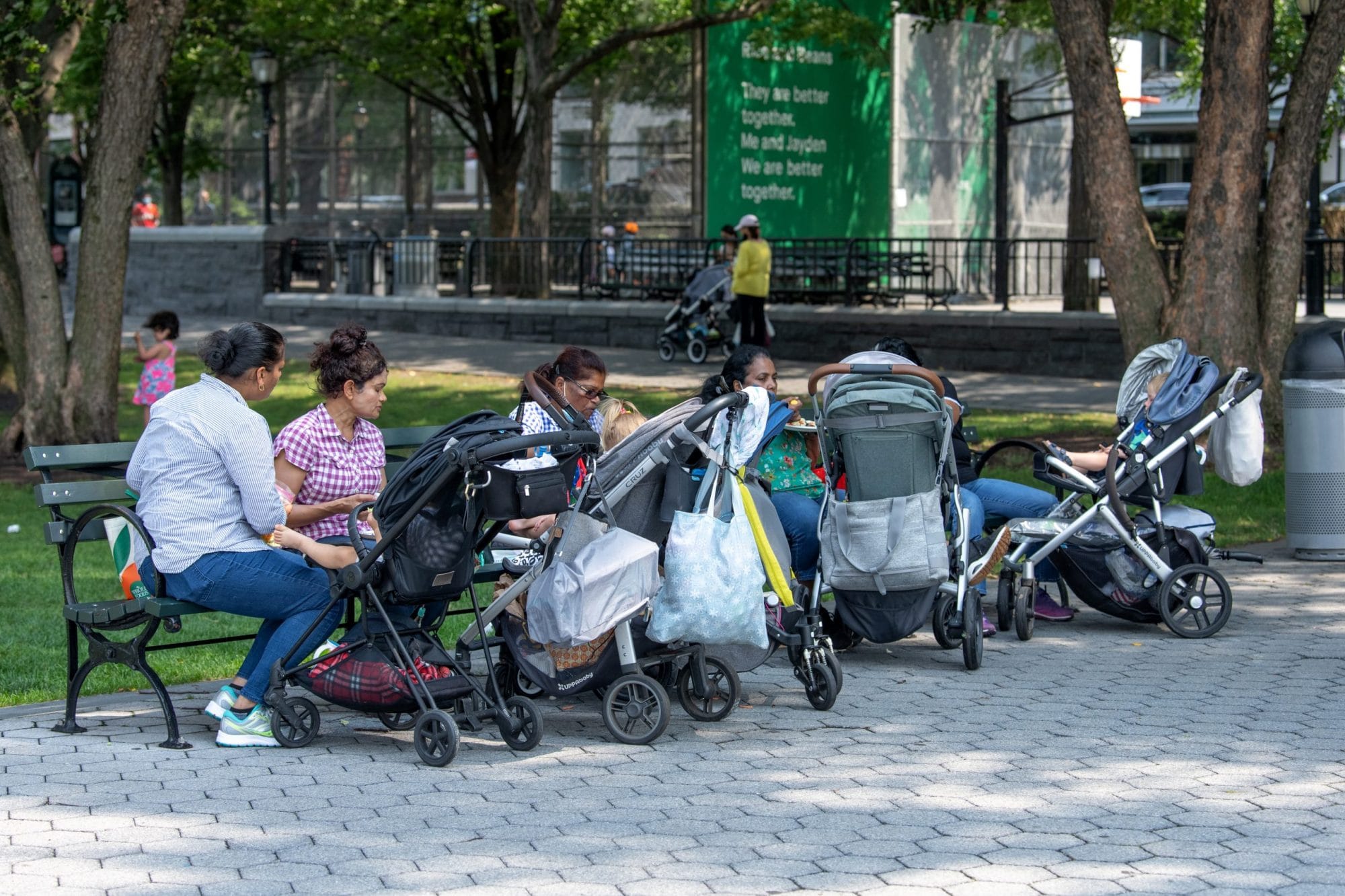
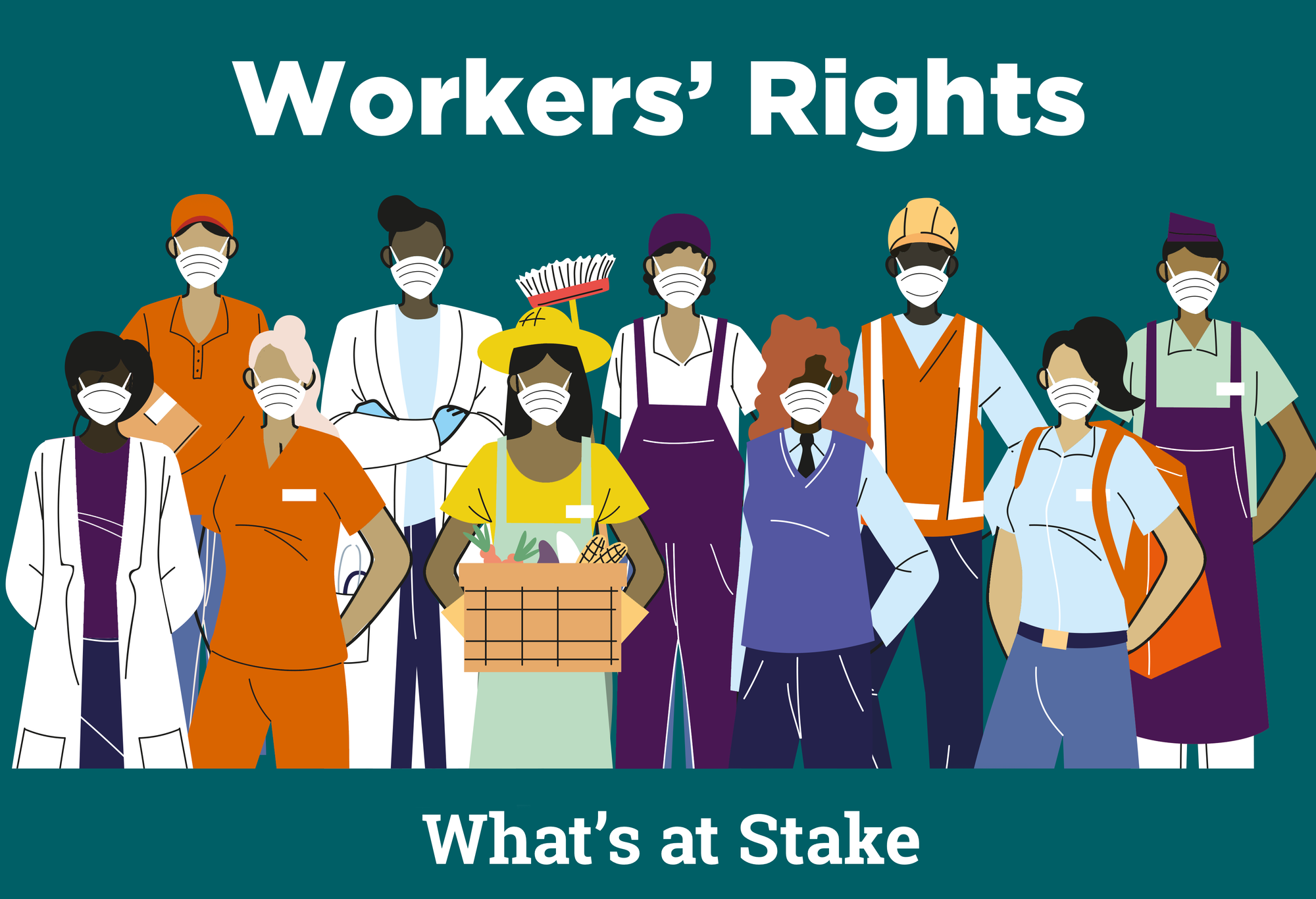
This year, workers in the United States have faced increasingly dire and dangerous circumstances as the COVID-19 pandemic collided with the country’s long-standing failures to ensure employers provide fair pay and protections. The election season arrives in the wake of widespread job loss and slow recovery, with unemployment levels reaching modern record highs before beginning to drop again. Women in particular have disproportionately left the workforce amid child care pressures that the government has done little to alleviate, and Black and brown working mothers have been especially hard hit, including those who themselves work in the early childhood care and education industry. Meanwhile, those who’ve held on to their jobs—including essential workers in industries like health care, food and agriculture, and transportation—have been forced to contend with health risks and a lack of personal protective equipment, often without living wages, hazard pay, or sufficient leave to care for family members.
At both the national and state level, during this election, workers’ rights and economic injustice are at the forefront of voters’ minds and have been a focus during the campaign. While President Trump has touted his economic record while on the trail, the reality in workers’ lives has been far less rosy. His administration has steadily weakened protections, including removing a rule that extended overtime to many workers, revising a pesticide ban that protected farmworkers and their families, and relaxing employers’ obligations to report workplace injuries, according to The American Prospect. In addition, Washington Monthly reports that under Trump the National Labor Relations Board has issued a series of decisions that diminish workers’ power to unionize. For LGBTQ+ workers, the administration argued they were unprotected by the antidiscrimination law Title VII, only to be slapped down by the Supreme Court. On the Democratic side, former Vice President Joe Biden has laid out plans to bolster unions, and has also expressed support for additional worker protections such as paid leave. On the issue of wages, Biden has come out in support of raising the federal minimum wage to $15 an hour, while Trump’s position remains unclear.
At the state level, a few notable ballot initiatives around the country may have significant implications for workers’ rights over the next several years.
- The minimum wage question is on the ballot at the state level in Florida, where Amendment 2 would incrementally raise the state’s minimum wage to $15 per hour by 2026. Currently, Florida’s minimum wage is just $8.56.
- In Colorado, Proposition 118 would provide workers 12 to 16 weeks of paid family and medical leave, and prevent employers from retaliating against those who request or use the leave. Currently, just five states in the U.S., plus Washington, D.C., provide paid family leave for workers. At the federal level, all that’s guaranteed is 12 weeks of job-protected unpaid leave for certain workers, leaving many low-wage workers unable to take advantage of it.
- Among the ballot initiatives attracting the most attention and spending this cycle is California’s Proposition 22. If passed, the ballot measure would create an exception to California’s Assembly Bill 5, enacted in 2019, which requires “gig economy” companies like Uber and Lyft to treat workers as employees rather than independent contractors—which means providing benefits and extending the protection of labor laws. If Proposition 22 passes, it would create a special “carve-out” from Assembly Bill 5 for drivers. According to the Los Angeles Times, “Uber, Lyft, DoorDash, Instacart and Postmates (which was recently acquired by Uber) have jointly poured close to $200 million into the “yes” campaign,” including creating pop-up ads on their own apps encouraging users to vote yes. The “Yes” coalition is supported by businesses, technology groups, and numerous community advocacy groups, including several California chapters of the NAACP. They assert that passing the initiative will save jobs and necessary services, and provider drivers with flexibility. Meanwhile, the coalition opposing Proposition 22 includes unions and other labor organizations from around the state, and argues that the initiative would allow the companies to freely exploit drivers, who are “78% from communities of color” by avoiding paying “minimum wage, healthcare, paid sick leave, unemployment insurance, and workers’ compensation coverage.” Biden, California Sen. Kamala Harris, and Massachusetts Sen. Elizabeth Warren have also spoken out in opposition to the ballot measure.
However the election turns out, in the coming months workers are likely to face increasing pressures as the pandemic rages. The disruption and devastation facing many workers and their families may ultimately yield even more significant policy shifts on workers’ rights in the years ahead.
Prism is covering what’s at stake in the 2020 elections on the issues that matter most to our communities, including electoral justice, immigration, criminal justice, environmental justice, gender justice, and racial justice. Dive into the rest of our coverage here.
Ashton Lattimore