What’s at stake: Redistricting, voting rights for minors, Puerto Rico statehood, and more in electoral justice
This article is part of Prism’s Election 2020: What’s at Stake coverage. While elections in the United States are purported to be “free and fair for all,” for too many in the electorate the reality is still far from that ideal. Not all voter suppression looks like angry

Ashton Lattimore
Real journalists wrote and edited this (not AI). Independent, community-driven journalism survives because you back it. Donate to sustain Prism’s mission and the humans behind it.
This article is part of Prism’s Election 2020: What’s at Stake coverage.
While elections in the United States are purported to be “free and fair for all,” for too many in the electorate the reality is still far from that ideal. Not all voter suppression looks like angry racists in white hoods menacing polling places. Only two states—Maine and Vermont—allow incarcerated people to vote from within prison. The remaining 48 states range the gamut from restoring rights to people felony convictions after serving a sentence, parole, or probation, and 10 states permanently disenfranchise people with felony convictions depending on the crime. Relying on questionable legal justifications, the Supreme Court just ruled that mail-in ballots in Wisconsin postmarked by Nov. 3 but received after that date will not count in the general election, forcing Wisconsin voters with mail-in ballots to choose between risking their mailed ballots not arriving in time, or risking their health to either vote in person or drop their ballots at polling places as the state’s COVID-19 cases and deaths hit record highs. Texas has closed over 750 polling stations since 2012 despite a continued increase in population, and early voters in Georgia have had to wait in line for as long as nine hours to get to the polls. Looming over this is not only the threat of the pandemic, but also of white supremacist groups emboldened by President Donald Trump’s exhortations to “stand watch” at the polls.
Around the country, democracy itself is on the ballot. This year, both state and federal elections represent opportunities to not only elect candidates who’ve pledged to protect everyone’s rights to vote and have their votes counted, but also to decide on ballot measures that could begin to reshape the electoral landscape.
Redistricting and gerrymandering
Despite being severely hampered by the onset of COVID-19, the 2020 census concluded on Oct. 15. Census data affects not only community resources, but also redistricting and the redrawing of legislative districts. While not every state relies solely on the census for changes to legislative districts, the census results will likely impact further attempts at gerrymandering and redistricting after the 2020 election cycle. How that information will be used to redraw legislative districts will largely depend on which party is in power in each state.
Additionally, there are a few ballot initiatives addressing redistricting issues on a state level:
- Question 3 on the New Jersey ballot proposes postponing redistricting for two years during any cycle in which the state doesn’t receive new census data by Feb. 15. The initiative is being framed as a response to the pandemic’s possible impact on the Census Bureau’s timeline for delivering its population count to each state. However, opponents argue it’s proposing a permanent solution to a one-time problem that cedes control over the state’s redistricting to the federal government, dilutes the ability of growing marginalized communities to have a say in their state representatives, and distracts from making substantive and meaningful reforms to the redistricting process.
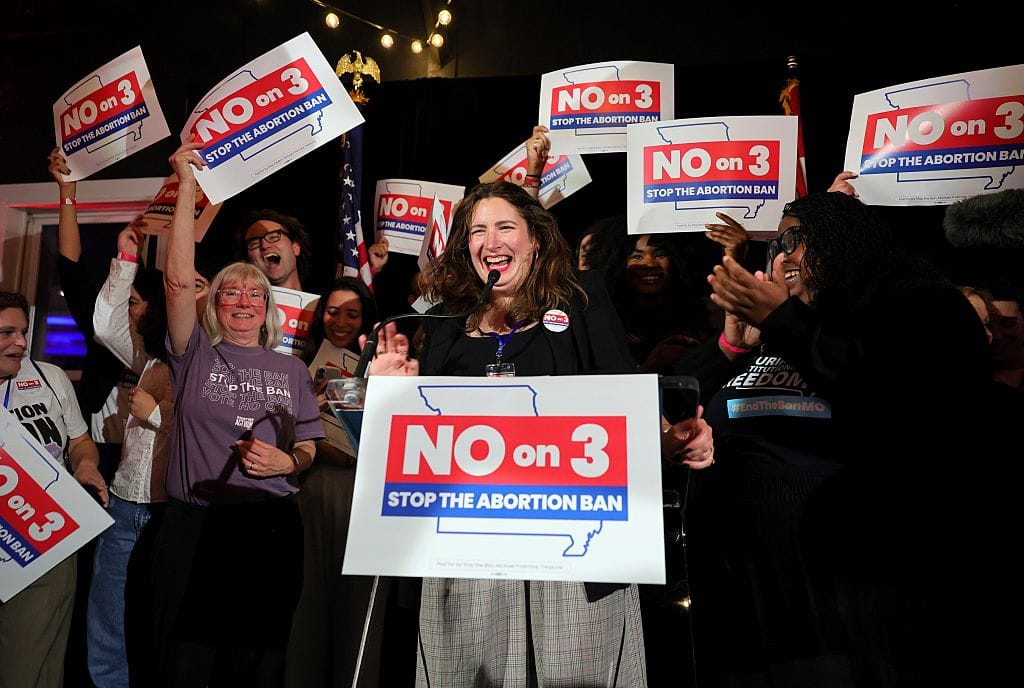
- Missouri Amendment 3 would amend the state’s constitution to enact the following changes: 1) Eliminate the current state’s non bipartisan demographer and replace them with a bipartisan commission appointed by the governor; 2) allow district maps to be drawn based on total eligible voters, not total population; and 3) change the threshold of lobbyists’ gifts from $5 to $0 and lower the campaign contribution limit for state Senate campaigns from $2,500 to $2,400. Critics of the amendment note that relatively small changes to campaign contributions and lobbyists gift amounts are a distraction from the amendment’s true goal: Reverse the Clean Missouri Amendment, which voters passed 2-1 in the 2018 election. Notably, the amendment would mean that children, immigrants, and international students would not count toward how district maps were redrawn, effectively denying them representation.
Citizenship and age for voting
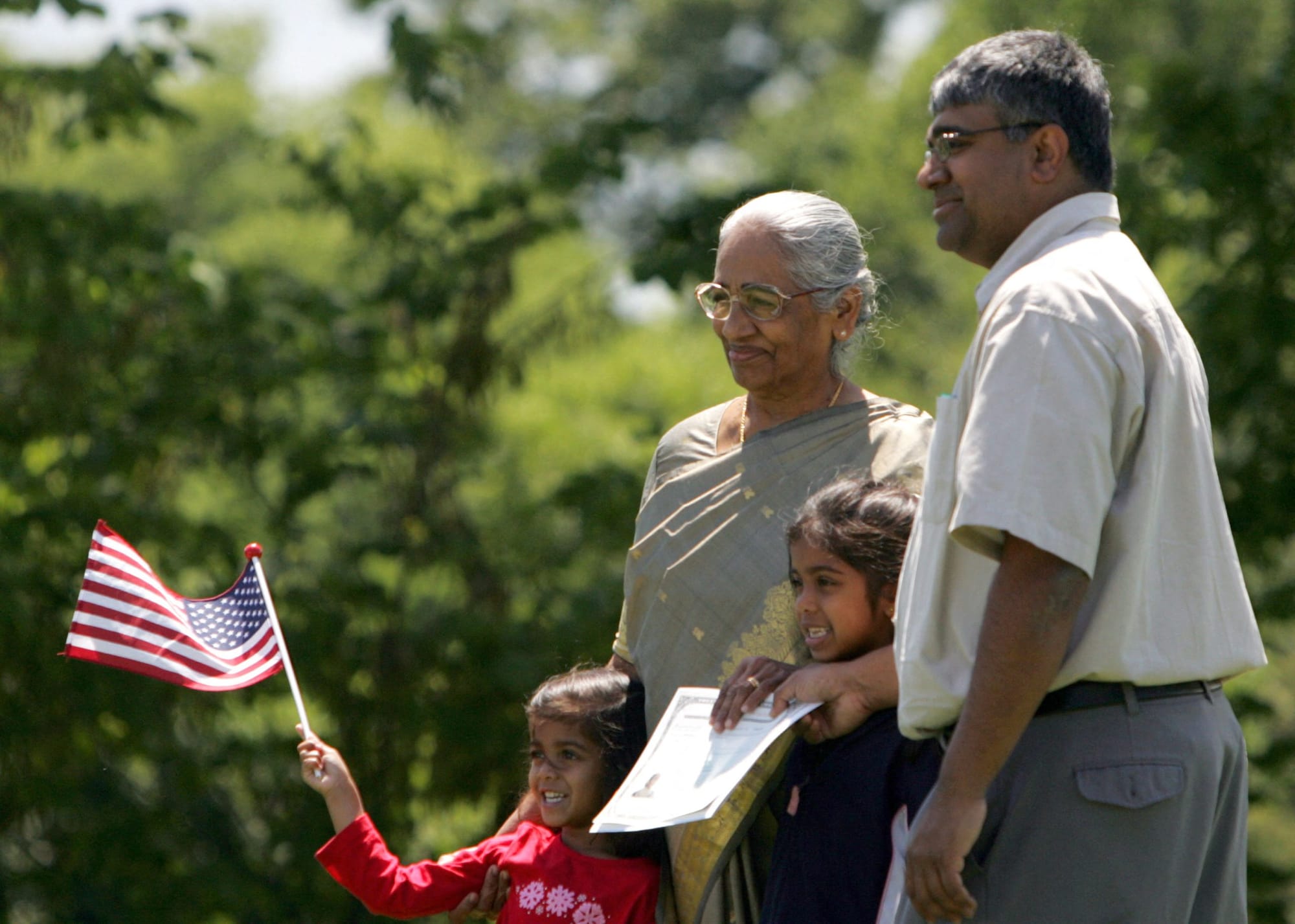
Voting rights advocates widely decry requirements for documentary proof of citizenship as voter intimidation. While courts have struck down several states’ attempts to require such proof, it hasn’t deterred others from putting similar measures up for a vote. Three states have amendments on their ballot about requiring documentary proof of citizenship to vote, all of which share an odd focus on specific wording changes ostensibly meant to foment xenophobia and fear of “voter fraud” rather than make substantive reforms.
- Alabama Amendment 1, Florida Amendment 1, and Colorado Amendment 1 all propose changing the wording of their respective state constitutions from saying “every citizen” of the U.S. who is 18 years old or older has a right to vote to “only a citizen.” These amendments wouldn’t actually change the existing right to vote in those states for anyone, and seem to serve no purpose other than imply that there’s a problem with “non U.S. citizens” voting in those states’ elections. To date, no evidence has been found indicating this is the case.
- California Amendment 18, on the other hand, would have a more substantial effect on who can vote in the state. The amendment proposes allowing 17-year-olds who will be 18 at the time of the next general election to vote in primaries and special elections. Proponents argue that it would only be fair for 17-year-olds who will be of age to vote in the general election to have a voice in selecting candidates during primary elections, while opponents argue that since the established age of legal responsibility in California is 18, there should be no exceptions. Unsurprisingly, support for this initiative falls mostly along party lines.
Ranked choice voting
Two states have ballot initiatives considering changing their election systems to ranked choice voting rather than winner take all. Ranked choice allows voters to rank candidates according to preference rather than choosing only one candidate. If none of the candidates receive more than 50% of the first place votes, the candidate with the least number of first place votes is eliminated and ballots that placed the eliminated candidate as the first choice would be redirected to the indicated second-choice candidates, and the results recalculated. If a candidate takes over 50% in that round, a winner is declared. If not, the process continues until a candidate takes the majority of votes.
- Alaska Ballot Measure 2 would introduce ranked voting into Alaska’s elections while also making changes to the state’s campaign financing rules. The initiative would merge the state’s two primary election ballots onto one single ballot and the top four vote getters of that primary, regardless of party, would be on the general election ballot where voters would rank each of the four candidates in order of preference. Additionally, groups would be required to disclose more information to the public about the source of the money they donate to candidates. These changes would only affect statewide elections, including voting for president, governor, the Alaska legislature, the U.S. House of Representatives, and U.S. Senate.
- Massachusetts Question 2 also introduces ranked voting into the equation. Similarly to Alaska’s ballot measure, in statewide elections with more than two candidates in the race, the Massachusetts initiative would allow voters to rank candidates.
The primary points of contention regarding these initiatives center on whether the changes would resolve increased polarization among political lines by making it more possible for moderates to win, or add to the chaos by further disenfranchising voters and making the system more susceptible to manipulation.
Puerto Rico statehood
For over 100 years, Puerto Rico has been a U.S. territory, and while Puerto Ricans are U.S. citizens who may move freely between the mainland and archipelago and are subject to U.S. laws, they are also disenfranchised at a national level. Puerto Rico does not have a vote in the U.S. Congress and Puerto Ricans are not allowed to vote for the U.S. vice president and president. The Trump administration’s treatment of Puerto Rico has been abominable, particularly after the horrific damage caused by Hurricane Maria in 2017 when the administration held back billions in aid, only to release funds as the 2020 election cycle shifted into high gear. The hurricane’s death toll has been counted as anywhere from 3,000 to over 4,600, the economy never fully recovered, and in the three years since, the island has been hit by substantial earthquakes, the pandemic, and more hurricanes.
For the 2020 election, Puerto Ricans have a chance to vote on a statehood referendum which asks “Should Puerto Rico be immediately admitted into the Union as a state?” If the referendum passes, the governor will appoint a commission to represent the territory in matters and negotiations related to statehood. If the referendum garners a “no” vote, the commission will instead be directed to negotiate with the U.S. federal government for Puerto Rico’s independence. Notably, the ballot measure can’t compel the U.S. Congress to take any action regarding Puerto Rico’s political status.
Direct democracy
Three states have ballot initiatives that could change state laws regarding citizen initiatives and other ballot measures.
- Constitutional Measure 2 in North Dakota would require constitutional amendments passed by voters to be subjected to a “yes/no” approval by the state legislature. In the case of a rejection by the legislature, the measure would be placed on the ballot again at the next statewide election and would become effective if approved by the voters a second time. Currently amendments only require voters’ approval, not legislative approval, to become effective. Critics of the measure argue it’s an attempt by the legislature to prevent more voter approved amendments like previous ones supporting victims’ rights, medical marijuana, and ethics measures. Proponents argue the initiative is a countermeasure against the influence of out-of state money and interests on ballot measures.
- Similarly, Amendment 4 in Florida also seeks to require voter-approved constitutional amendments to jump through additional hoops in order to become effective, rather than being implemented following a single round of voting that garners 60% or more of the vote. Supporters say the measure is necessary to cut down on the number of “whimsical” amendments that are out on the ballot, while opponents assert the measure is nothing less than an attempt to remove power from voters by hampering one of the more effective and direct tools voters have to make changes to the state Constitution. Not coincidentally, this measure comes on the heels of the passage of 2018’s Florida Amendment 4, which restored the right to vote to people with former felony convictions, with exceptions for those convicted of murder or felony sexual offense, upon completion of their sentences.
- By contrast, Montana Constitutional Revision 47 is a relatively tame measure that would amend the state’s constitutional language to align with the existing signature distribution requirements for initiative petitions, but would not change any enforced initiative signature distribution requirements. The measure is a response to a 2005 ruling where a federal judge reversed voter-passed initiatives from 2002 that had changed ballot signature requirements, saying the current formula gave counties of unequal population equal power. The ruling was never challenged, but the rejected initiatives’ language was never changed. The revision has no major challenges and seems to have bipartisan support.
Campaign finance
While several previously mentioned ballot initiatives tied campaign finance to other issues, Oregon has a measure on the ballot specifically addressing campaign finance limits. Current Oregon law places no limits on campaign contributions to candidates and ballot measures (the state is one of five without campaign finance limits). Committees may disclose who has paid for communications and advertising, but they’re not required to. The measure would allow the state legislature and local government to impose limits on political contributions and expenditures. Opponents claim the measure would hinder free speech while supporters stress the need for greater transparency in campaign finance and point out the measure is in line with general public sentiment supporting limits on campaign contributions.
Voting rights
Two states have ballot initiatives specifically addressing voting rights.
- Taking a page from Florida’s 2018 Amendment 4, California’s Proposition 17 would amend the state constitution to restore voting rights to people on parole for felony convictions. The state currently requires people with felony convictions to complete their prison and parole sentences before being re-enfranchised to vote. While supported uniformly by state Democrats and a coalition of voting rights advocates, unions, and other organizations, opponents are largely conservative with arguments predictably resting on framing “voting as a privilege, not a right.”
- Question 4 on Nevada’s ballot seeks to specifically enshrine the 2002 declaration of voters’ rights into the state’s Constitution. The amendment would provide qualified persons who are registered to vote with a ballot written in a “format that allows the clear identification of candidates” and “accurately records the voter’s preference in the selection of candidates,” as well as other constitutional rights such as the right to vote without intimidation or coercion, and equal access to an election system without discrimination on the basis of “race, age, disability, military service, employment or overseas residence.” There has been no organized opposition to the measure, which is fully supported by state Democrats.
If the 2020 election cycle has made anything clear, it’s that voter suppression and disenfranchisement rely just as much, if not more so, on the spread of disinformation and restricting resources and access as it does on overt threats and intimidation. From baseless fear mongering about mail-in ballots and “election fraud” to attempts to invalidate mail-in ballots to closing polling locations particularly in Black and low-income heavy communities, the Trump administration and GOP have been pulling out all the stops to make voting more confusing, difficult, and inaccessible. This is particularly galling as the pandemic has literally made voting in-person more of a risk for those who are especially susceptible to the highly-contagious disease. That risk on top of the hours that may be required to wait in line to vote—hours not everyone can afford to take from their day or physically endure—constitutes another barrier to voting that is allowed to exist because the GOP believes it will benefit their chances at the polls.
Since 2013 when the Supreme Court (in a party line 5-4 vote) struck down key provisions in the Voting Rights Act of 1965 that required nine states, primarily in the South, to obtain federal approval before making changes to their election laws, voting restrictions such as photo ID laws, voter roll purges, citizenship document proof requirements, and restraints on voter registration efforts have proliferated. With Amy Coney Barrett’s rushed confirmation to the SCOTUS bench just over a week before election day now complete, the 6-3 conservative majority now leans heavily toward favoring the sort of decisions echoing 2013’s Shelby County v. Holder. That reality makes it all the more critical which party holds power in both the Executive Branch and Legislative Branch, and places what many Americans think of as “free and fair elections” in an even more precarious proposition.
Prism is covering what’s at stake in the 2020 elections on the issues that matter most to our communities, including gender justice, immigration, criminal justice, environmental justice, workers’ rights, and racial justice. Dive into the rest of our coverage here.
Ashton Lattimore