One Bite At A Time: The next right step
Heading into the holidays after an election, it’s important to remember that it isn’t voting that fundamentally changes the social structure of the world we live in; it’s community
Derek R. Trumbo, Sr.
Real journalists wrote and edited this (not AI). Independent, community-driven journalism survives because you back it. Donate to sustain Prism’s mission and the humans behind it.
Dear Reader,
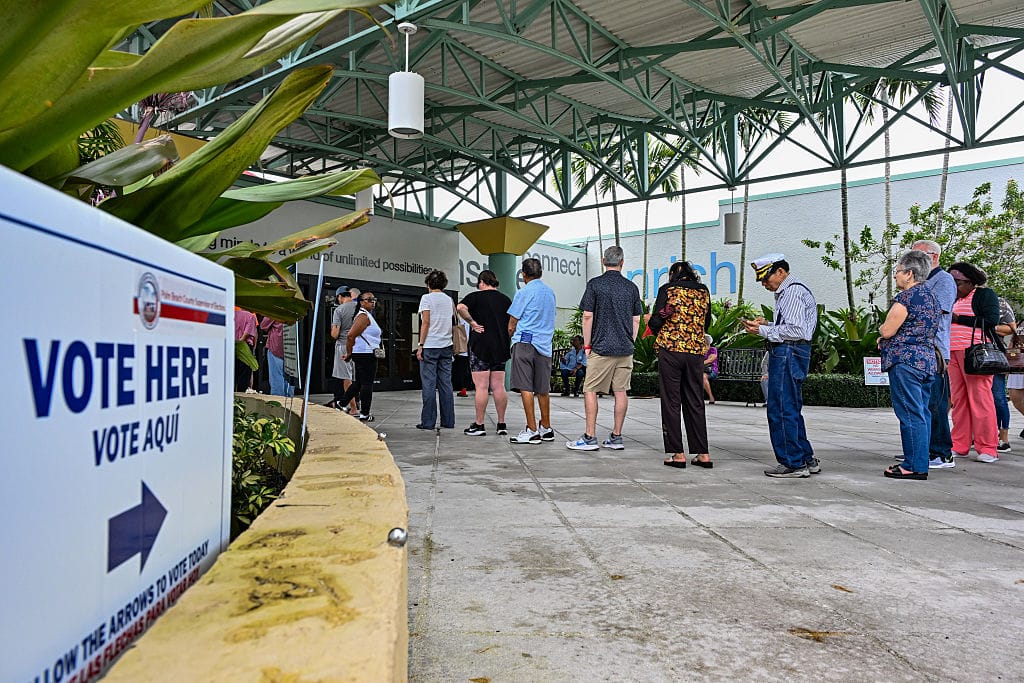
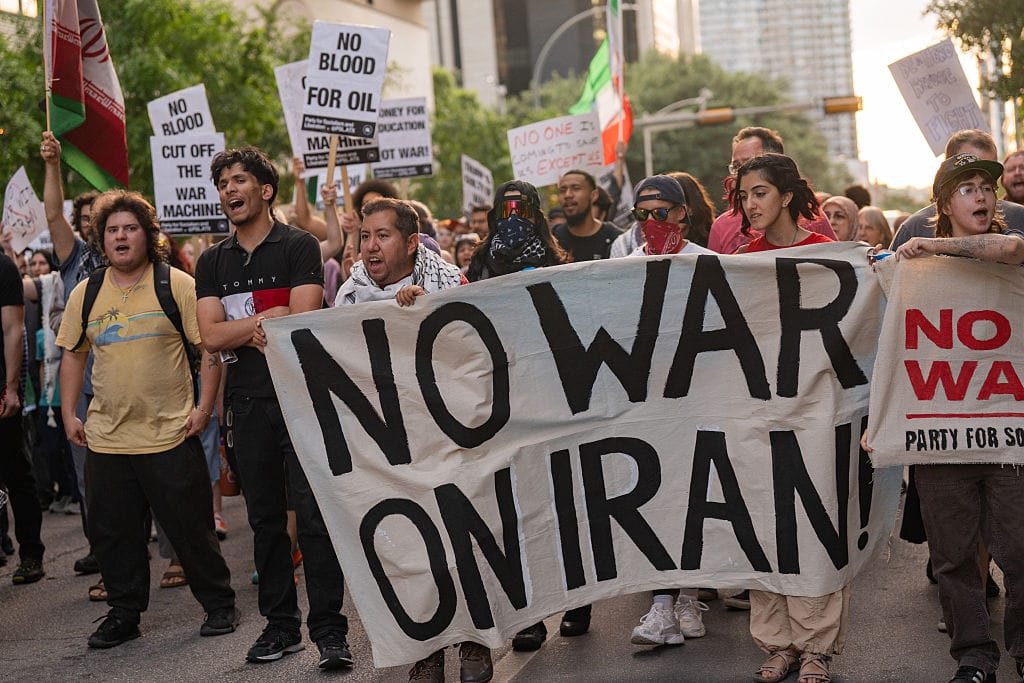
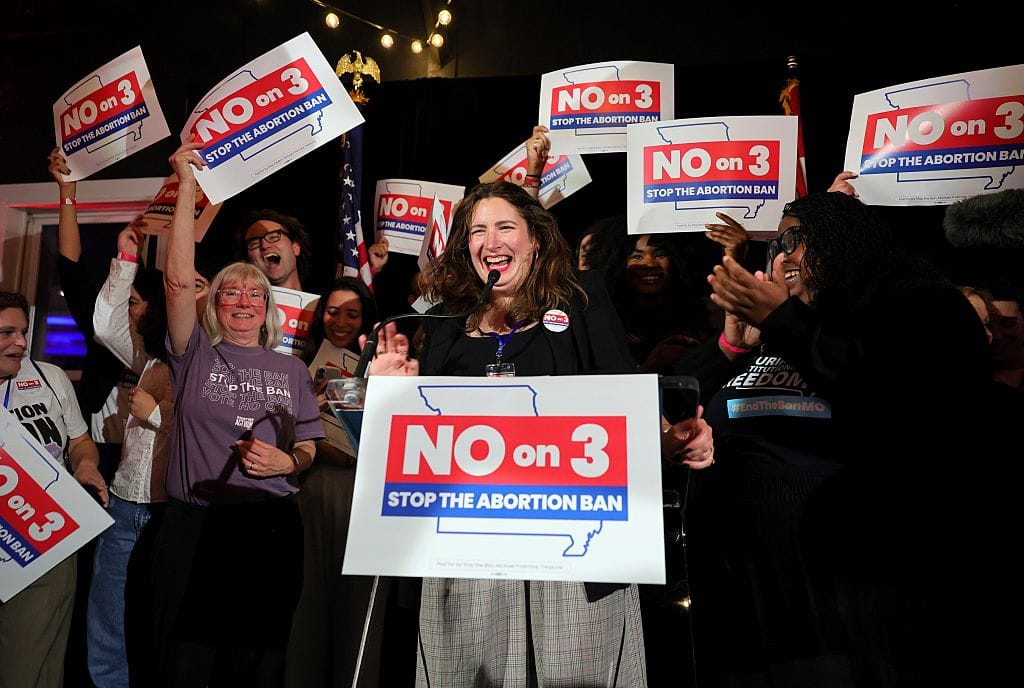
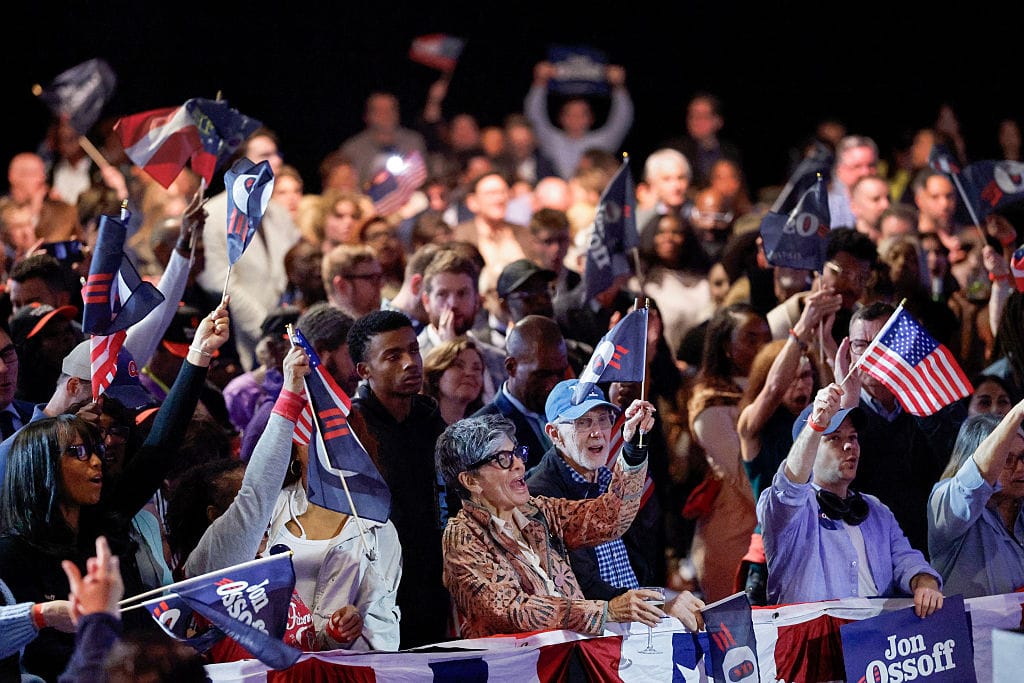
A lot has happened in this country we call home. The election delivered some staggering results, especially in the South where I live. While some voters celebrate and others mourn, I’m grappling with how to bridge these two Americas. Why are we so isolated from each other? Why do we, as Americans, find it so hard to reach across the political aisle, across the street, or just across the bed to meet someone exactly where they are?
How many people do you walk past each day without so much as a single glance? How many years have passed since you spoke to certain friends or loved ones? How many of us are staring down at our phones instead of noticing the person beside you? This disconnection comes at a cost, but perhaps we’re too busy worrying about our actual day-to-day costs to give this much consideration. After all, the economy was a top issue for voters. More specifically, it was the impact of inflation that drove many to the polls. According to a recent AP voter poll, about three-quarters of voters said they felt "angry" or "dissatisfied" with the country's current trajectory.
In this political landscape, I’ve been thinking about how people will show up during the holidays. After all, previous elections tore some families apart. More generally, politics continues to cleave relationships. Theoretically, I understand these divides, but in my personal experience and very humble opinion, it isn’t voting that fundamentally changes the social structure of the world we live in. It’s community.
Not too long ago, my home flooded, and I lost everything. Were it not for the readers who donated toward my survival, you might not be reading this column today. No one directed how the funds would be spent, or spared a thought about whether I would waste the money. People simply gave out of the goodness of their hearts and trusted me to use the money how I needed. For this, I am forever grateful. Did it mean that my hard times were over? Not by a long shot. But something changed in me when I was shown such kindness and given tangible help when I needed it most, no strings attached.
Imagine the country we could live in if everyone in need were granted the same?
As I have previously written about, I serve the unhoused community in my neighborhood by volunteering at church. This volunteer work has benefitted me tremendously in ways I cannot fully articulate.
For instance, just the other day I saw one of the people I feed at the church giving another man a ride on the handlebars of his trike, which appeared to have a flat tire. The trike came to a stop, and the rider handed the other man a box of patches, and they both got to work changing the flat together. A few weeks prior, I donated a set of bicycle tire tubes and patches to the blessing box for anyone who might need them. I cannot say for certain that the patches were the ones I donated, or that my actions shaped the scenario unfolding before me, but I do know that people can fix all sorts of things when they work together.
That small moment has stayed with me because it answered a question I’ve carried for a long time: What do we do when we don’t know what comes next? Watching the scene in front of me, I realized I knew the answer: We do the next decent thing in front of us. We offer the patch. We steady the trike. We share what little knowledge, time, food, or patience we may have. Uncertainty has a way of convincing us that we must solve the whole problem before we can take meaningful action, but real life doesn’t work that way. I had to learn the road by walking it, and I’m sure you did, too. We survive the hard seasons by taking the next right step, even when we cannot always see the path.
The holidays can make that uncertainty feel heavier. There are lights in the windows, songs in the stores, and advertisements insisting that joy must be purchased, wrapped, and placed beneath a tree. Meanwhile, many families are quietly counting every dollar.
I’m sure you are aware that gas is expensive. I certainly know that my mortgage is expensive. Vehicles break down, our pay gets cut, and none of us have a money tree in the backyard. Most Americans are deciding which bill can wait, stretching groceries for one more meal, wondering how to explain to a child that Christmas this year will look different. There is no shame in that. Love is not measured by the number of packages under the tree, and a person’s worth does not depend upon what they can afford to give. A smile might be all that we have left to offer.
Sometimes our greatest blessings are the ones we have grown so accustomed to that we no longer recognize them as blessings at all: a safe place to sleep, a warm cup in our hands, a familiar voice on the telephone, clean water from the tap, a ride to work, a neighbor who noticed when the porch light did not come on. Even the ability to sit at a table and disagree with someone is a privilege when so many people face empty chairs. Gratitude does not require us to pretend that hardship is pleasant. It simply asks us to notice that hardship has not taken everything.
The election polls tell us that money is tight for many across the U.S. this season. I encourage you to let kindness and empathy become your gifts. Make the call. Share the meal. Write the note. Offer the ride. Sit with the person who is grieving and do not rush them to feel better. Let your loved ones help bake something simple, tell the old family stories again, and laugh when the recipe does not turn out exactly right. These are not lesser celebrations. These are the moments people actually remember long after the expensive things are broken, outgrown, or replaced by the latest model.
Adversity will still come. There will be mornings when courage feels like getting out of bed. There will be setbacks that make us question whether our efforts even matter. On those days, I hope we remember that endurance sometimes means paying one bill, making one meal, showing up for one shift, asking for help, or trying again tomorrow. We do not have to carry the entire season at once. We only have to carry the piece of it that belongs to us today.
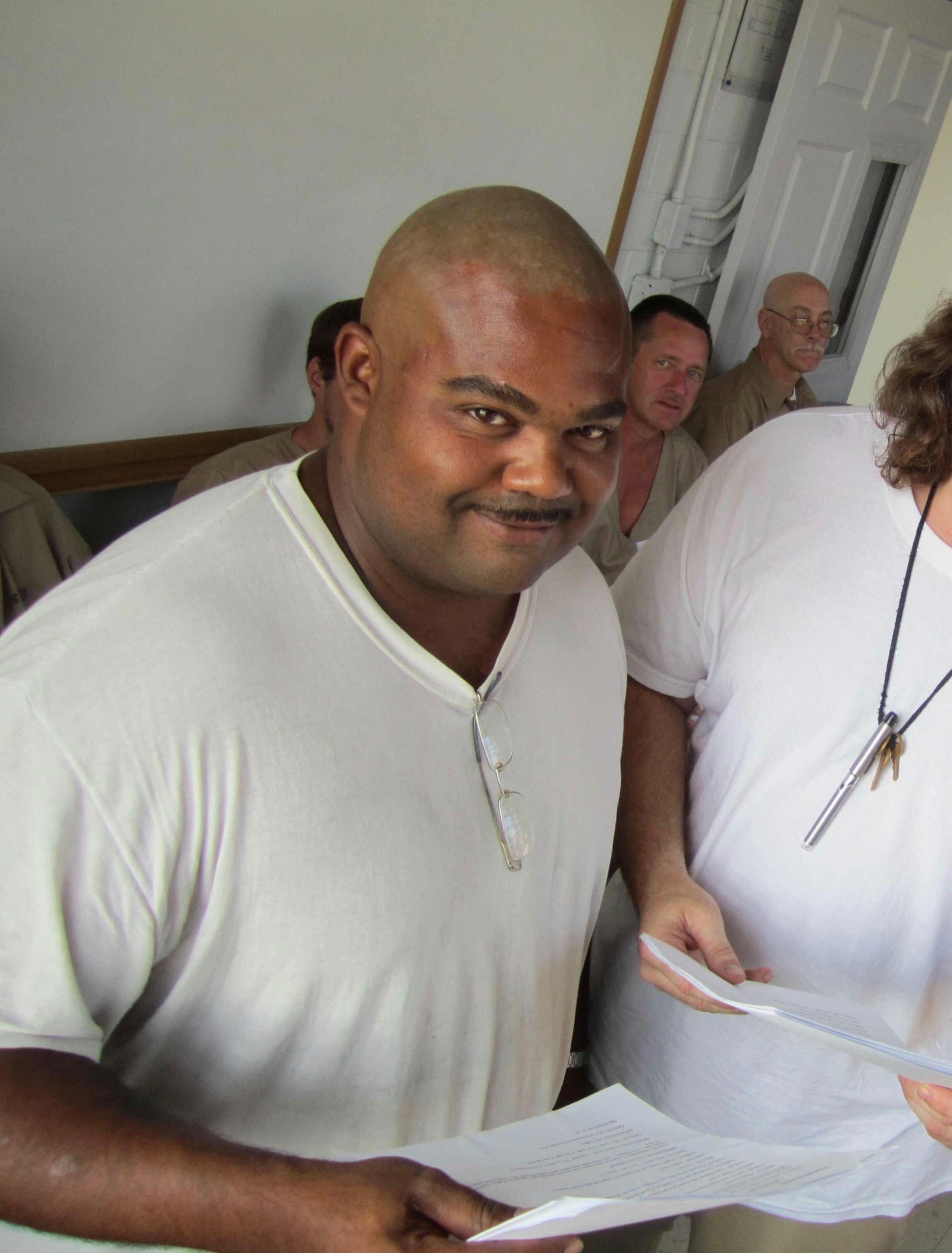
I know what it is like to look toward tomorrow and see only questions and no answers. After spending so many years in prison, freedom did not arrive with a neat set of instructions. The gate opened, but that did not mean every fear disappeared on the other side. I’ve had to learn how to make good choices in a drastically different world. I had to learn new routines, how to trust people and manage responsibilities, and accept that not every day feels like a victory. Some days, freedom feels enormous. Other days, it feels like I was standing in a vacuum where everything I believed I ever wanted was on the verge of being sucked away from me. Those moments teach me that uncertainty is not proof that I am failing. Sometimes it is proof that I am still learning.
That lesson matters during the holidays because this season has a way of placing our lives beside an image of how we think they are supposed to look. The table is supposed to be full. The family is supposed to get along. The turkey is supposed to come out on time, nobody is supposed to mention old arguments, and everyone is supposed to be grateful on command. Real life is rarely that orderly.
Some are separated from the people they love. Some are newly home, trying to find their place again. Some are sitting among family and still feel alone. I believe there is room during the holidays for all of these complexities. Gratitude that cannot make room for sorrow is too fragile to carry us very far. I’ve also learned this lesson the hard way.
For years, holidays inside prison reminded me of everything missing from the picture. Men spoke about their mothers’ cooking, children growing older, and traditions continuing without them. A person could smell food warming somewhere in the institution and be transported to a kitchen he had not stood in for decades. We learned to build a celebration out of whatever was available: a shared snack, a card from home, a story told across the dayroom, or a few minutes of laughter that made the walls seem farther away. None of this replaced home. I can’t tell you how many holidays I spent eating ramen and wishing for the day when I could have turkey instead. Still, those small offerings mattered because they reminded us that confinement had not taken every part of our humanity. Even inside, people found ways to give something of themselves.
Now that I am home, I try not to overlook the ordinary freedoms I once imagined in detail.
Opening a door and stepping outside without asking permission is a blessing. Choosing when to eat, where to sit, and whom to call is a blessing. Standing in my own kitchen, even when the refrigerator is not as full as I would like it to be, is a blessing. Paying a mortgage may be stressful, but having a home to protect gives that stress a different meaning. I do not say this to glamorize struggle or suggest that gratitude pays the electric bill. It does not. What gratitude can do is remind us why we should keep pushing through difficulty. Personally, gratitude helps me see that a hard life can still contain good things worth defending.
When money is scarce, pride can become another bill we cannot afford. We may avoid asking for help because we fear being judged, or we may spend beyond our means because we do not want anyone to know we are struggling. I understand that pressure. I also understand the relief that comes when someone helps without turning the moment into an interrogation. The people who supported me after the flood did not demand a performance of gratitude or proof that I deserved compassion. They saw a need and responded. That experience changed the way I think about giving. Real generosity protects a person’s dignity. It does not stand over them. It stands beside them.
I aim to take this same approach when I serve meals at church. The food matters, of course, but so does the manner in which it is offered. Nobody wants to feel like a problem. People want to be greeted, remembered, and spoken to as neighbors. They want someone to notice whether they take coffee or water, whether they have been absent, or whether the bicycle they rely on is working again. Dignity lives in those details.
Dear readers, maybe this season our task is not to create a perfect holiday but to create an honest one. If there is plenty, share it without making a show of the sharing. If there is little, use it carefully and refuse to conflate scarcity with failure. Invite someone who might otherwise eat alone. Check on the person who has stopped returning calls. Set aside arguments—political or otherwise—long enough to listen with curiosity instead of preparing the next reply. We may not agree about politics, faith, or how the sweet potatoes should be made, but we can still pass the bowl. Sometimes reconciliation begins with nothing more complicated than making room for another chair.
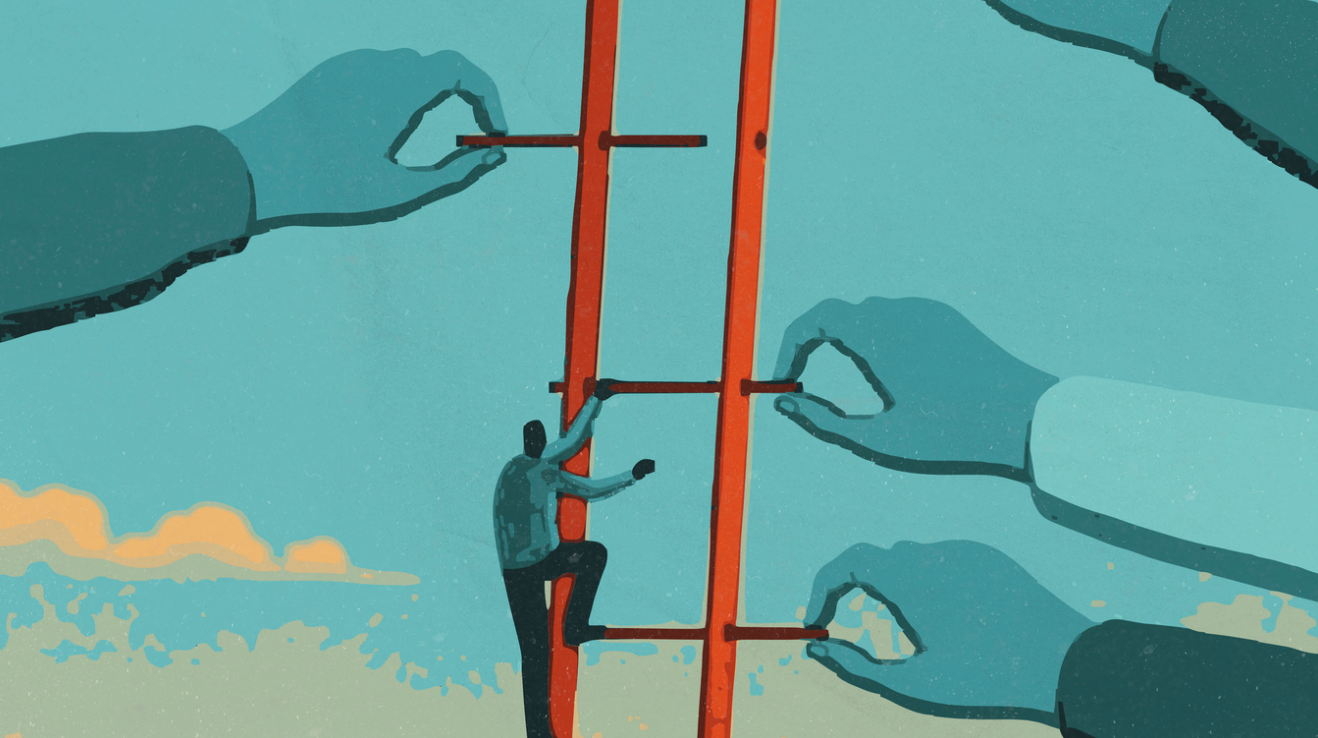
I keep returning to the two men and that bicycle because neither one waited for ideal conditions. They did not form a committee, write a proposal, or argue about who should have prevented the flat. They stopped and used what they had. One person’s problem became two people’s work, and the burden grew lighter. Our communities need more of that spirit. We need fewer reasons to look away and more willingness to kneel beside the problem. None of us can repair every broken thing, but each of us can carry a patch. Each of us can offer a steady hand while someone else puts the wheel back in place.
There is a temptation, especially when the news is bad and our own troubles are piling up, to believe that small actions do not count. I reject that. My life has been changed by letters, conversations, meals, mentors, second chances, and people who decided that my worst chapter did not have to be my last one. None of those people solved every problem in my life. They simply helped me take the next step. That is how change often happens: one person refuses to give up on another, and that person learns not to give up on himself.
There is courage in working hard, but there is also courage in saying, “I need help,” or “I cannot do that today.” During the holidays, when so many people are trying to meet everyone else’s expectations, we should remember that peace is worth protecting. We are allowed to simplify. We are allowed to decline an expense, change a tradition, or spend a quiet evening at home. Survival is not selfish. Sometimes it is the most responsible choice we can make.
If this year has brought you loss, disappointment, or a setback you did not expect, do not mistake the present moment for the whole story. I once believed confinement had reduced my future to a locked door. Yet I kept writing. I kept asking questions. I kept listening to people whose wisdom challenged me. Years later, those choices became part of the bridge that carried me home. I could not see the bridge while I was building it. Most of the time, I could only see the next plank.
So, dear readers, wherever this holiday season finds you—at a crowded table, a quiet apartment, a shelter, a hospital room, or somewhere in between—please know that your story is not finished simply because the next chapter is unclear. Appreciate what is present. Share what you can. Receive help when you need it without shame. Keep moving through the uncertainty with compassion for yourself and for the people beside you.
One day at a time.
Derek R. Trumbo, Sr.